Leaf Anatomy
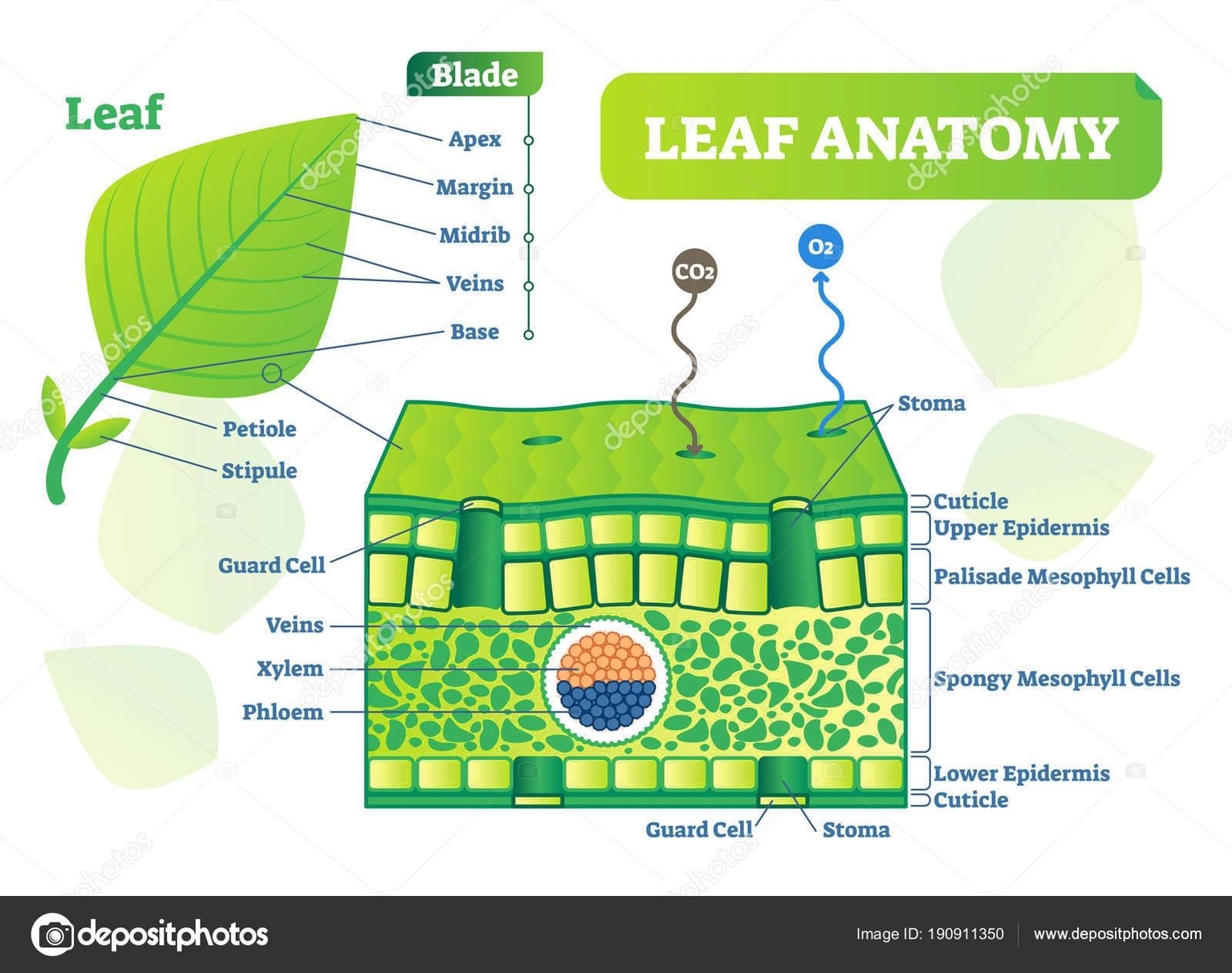
Leaf Anatomy: Leaf anatomy describes the structure of a leaf, including the epidermis, mesophyll, veins, and stomata, which facilitate photosynthesis and gas exchange.

Charts | Diagrams | Graphs
Leaf Anatomy: Leaf anatomy describes the structure of a leaf, including the epidermis, mesophyll, veins, and stomata, which facilitate photosynthesis and gas exchange.
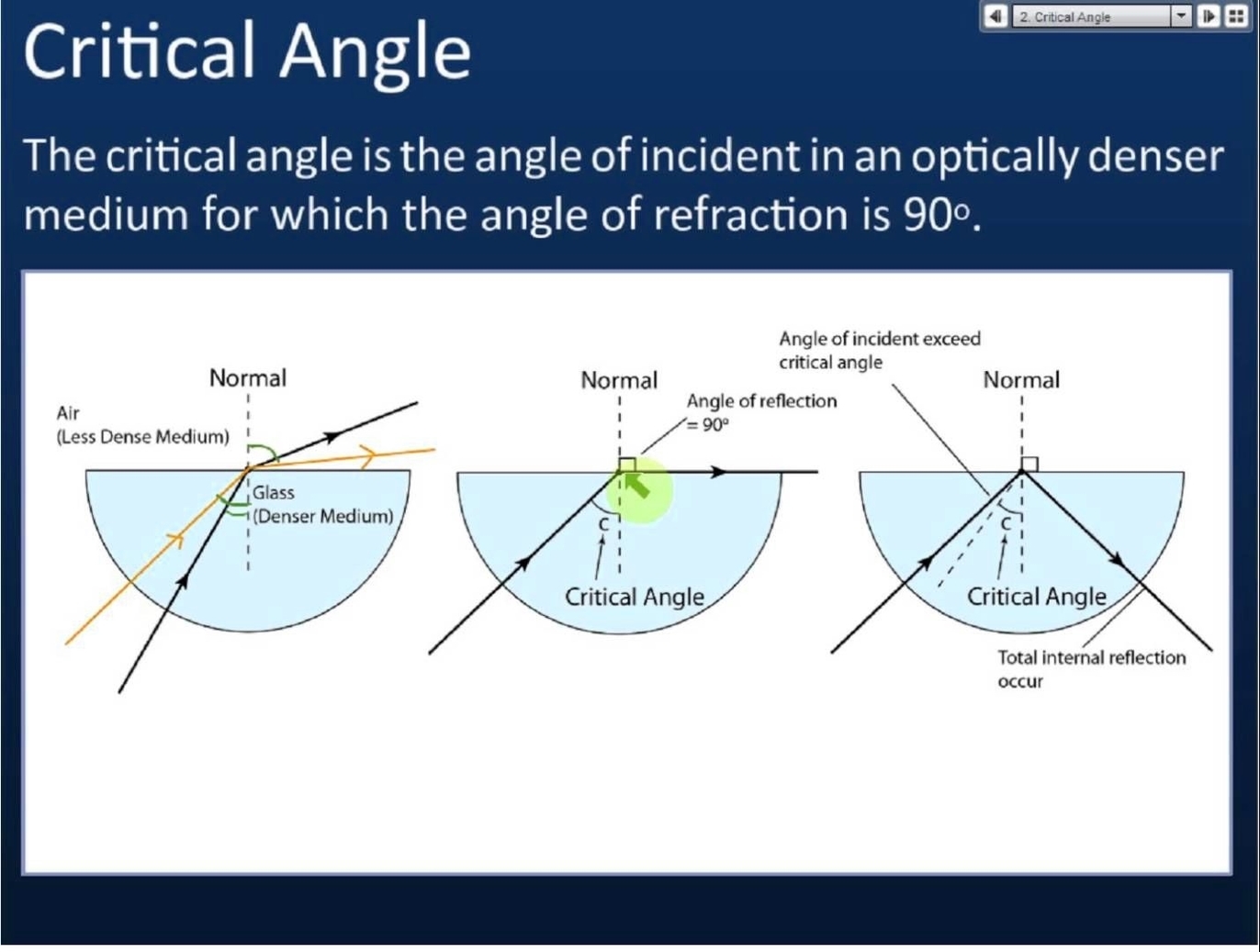
Reflection And Refraction Of Light: Reflection and refraction describe how light interacts with surfaces and materials, with reflection involving light bouncing off a surface and refraction involving light bending as it passes through different media.
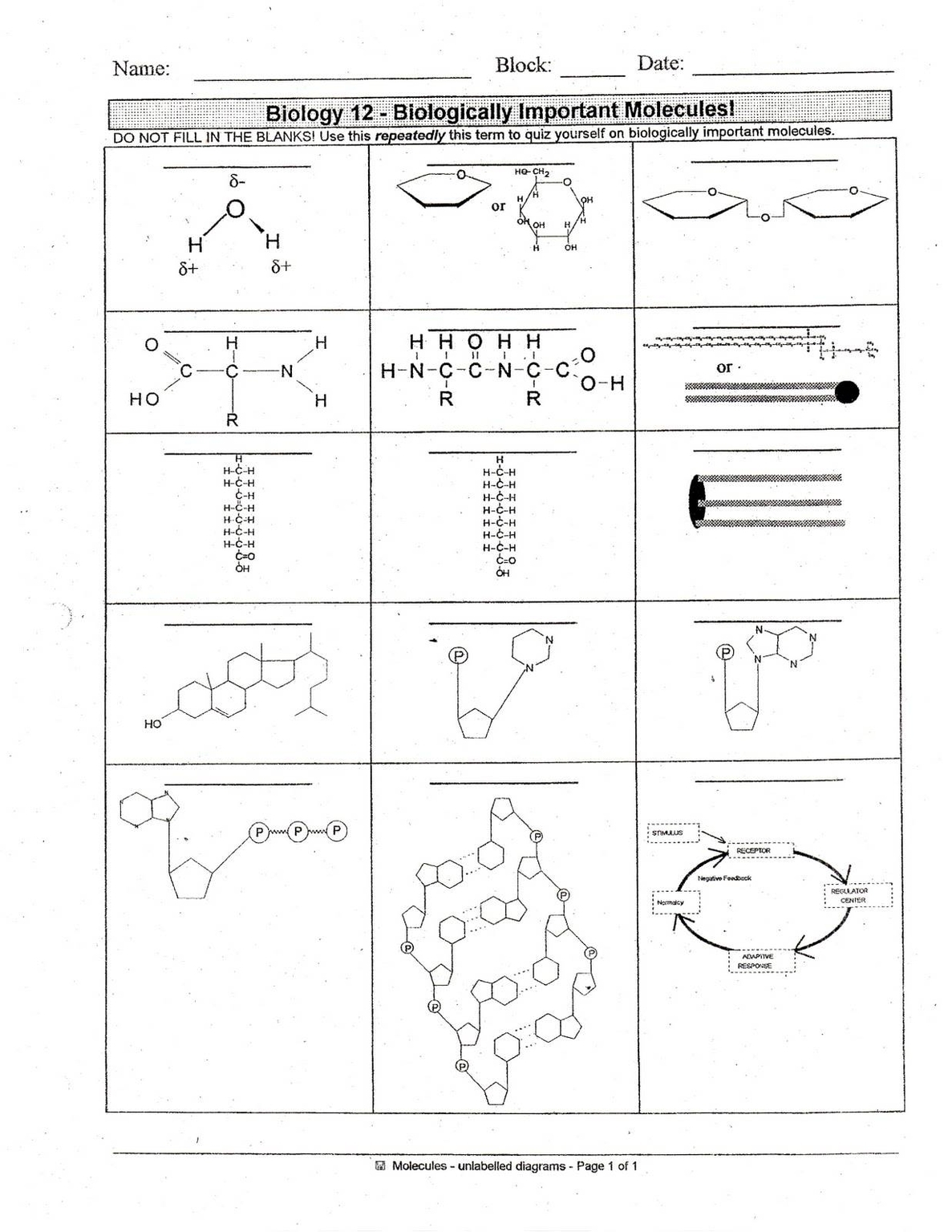
Biopolymer: Biopolymers are natural polymers produced by living organisms, such as proteins, nucleic acids, and polysaccharides, playing essential roles in biological functions and structures.

Computer Science Diagram Example Of: An example of a computer science diagram could be a flowchart, illustrating the logical sequence of steps in an algorithm or a program’s workflow.

Agricultural Systems: Agricultural systems encompass various farming practices and technologies used to produce food, fiber, and other resources, including conventional, organic, and sustainable approaches.

A Diagram About Lesson 6 And 3 In Science: A diagram about Lesson 6 and 3 in science could illustrate key concepts or experiments covered in those lessons, providing a visual summary to aid understanding.

Class 10 Science Biology Diagrams: Class 10 science biology diagrams illustrate key biological concepts such as cell structure, reproduction, and genetics, aiding in the understanding and retention of scientific knowledge.
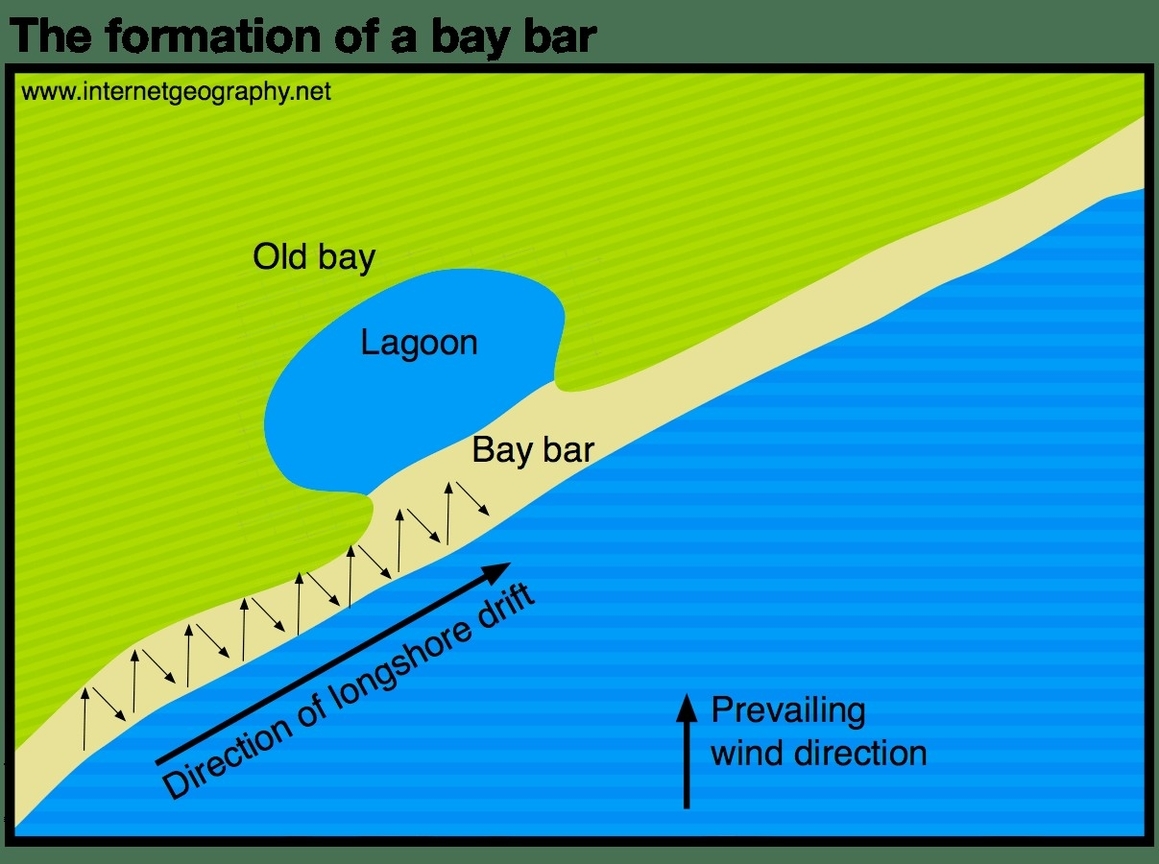
Bar Coasts Diagram: A bar coasts diagram illustrates the formation and structure of coastal features like sandbars, explaining how tides, waves, and sediment deposition shape these environments.

Functional Groups Of Organic Molecules: Functional groups are specific groupings of atoms within molecules that determine their chemical properties and reactions, such as hydroxyl, carbonyl, carboxyl, amino, and phosphate groups.