Framework Asset Management

Framework asset management

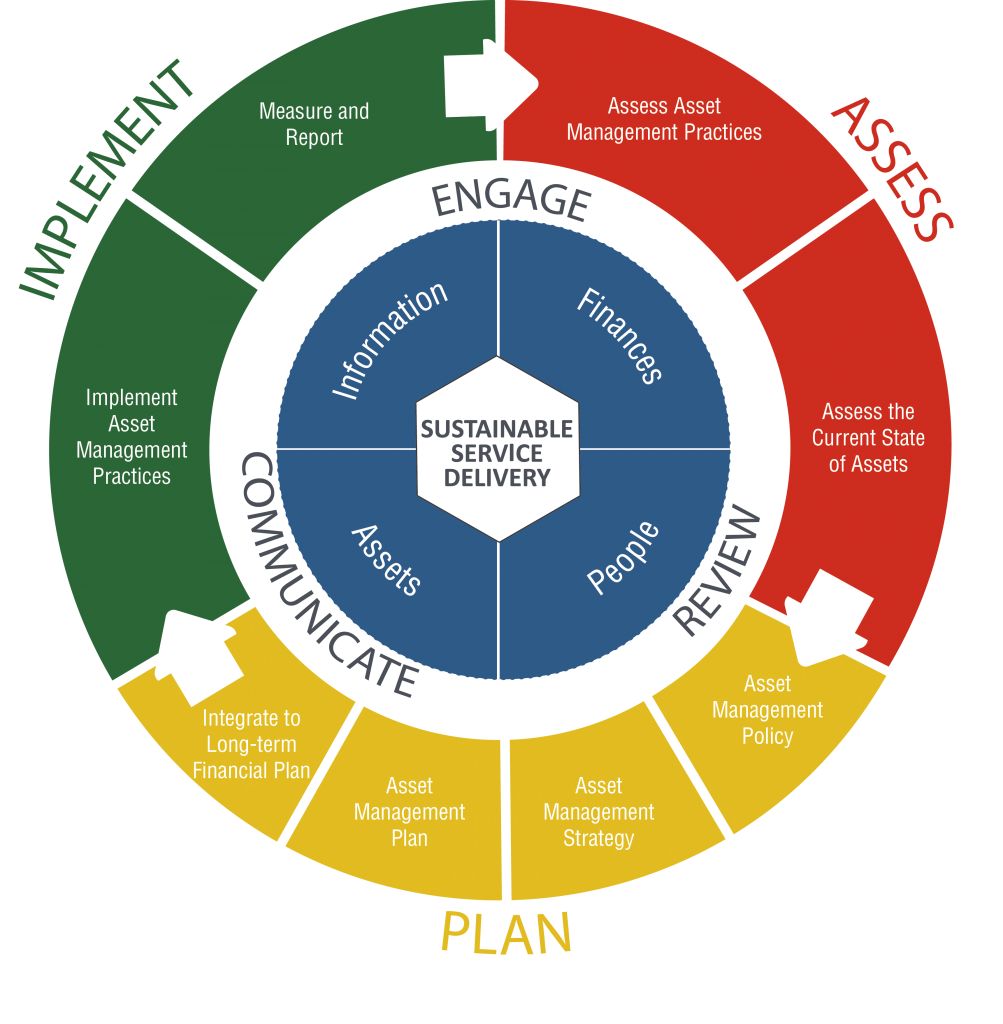
Framework Asset Management: Framework Asset Management involves using a structured approach to manage and optimize an organization’s assets, such as physical resources, intellectual property, and human capital. The framework includes strategies for acquisition, maintenance, utilization, and disposal of assets. Effective asset management ensures that resources are used efficiently, contributing to the overall financial health of the organization.
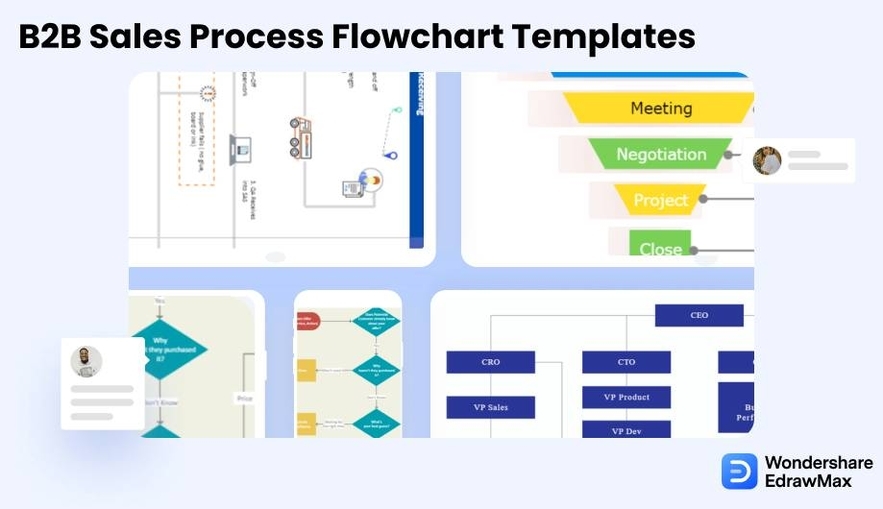
B2B Sales Process Flowchart

B2B Sales Process Flowchart

B2B Sales Process Flowchart: A B2B sales process flowchart visually maps out the steps involved in selling products or services to other businesses. It typically includes stages such as Prospecting, Initial Contact, Needs Assessment, Proposal, Negotiation, Closing, and Post-Sale Follow-Up. This flowchart helps sales teams understand the progression of the sales cycle, identify bottlenecks, and implement strategies to improve conversion rates and customer satisfaction.

The defining components of leadership

The defining components of leadership

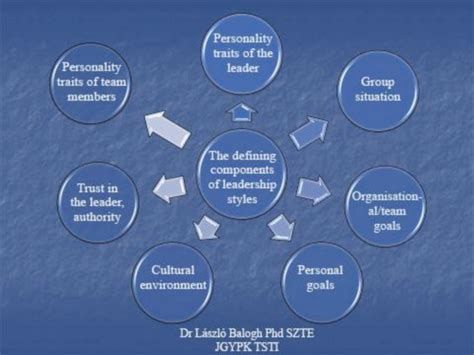
The defining components of leadership: The defining components of leadership include vision, communication, integrity, decision-making, and the ability to inspire others. Great leaders also demonstrate emotional intelligence, adaptability, and a commitment to development — both for themselves and their teams. These components come together to create trust, align teams around goals, and drive sustained organizational performance.

Strategic Partnership Framework

Strategic Partnership Framework

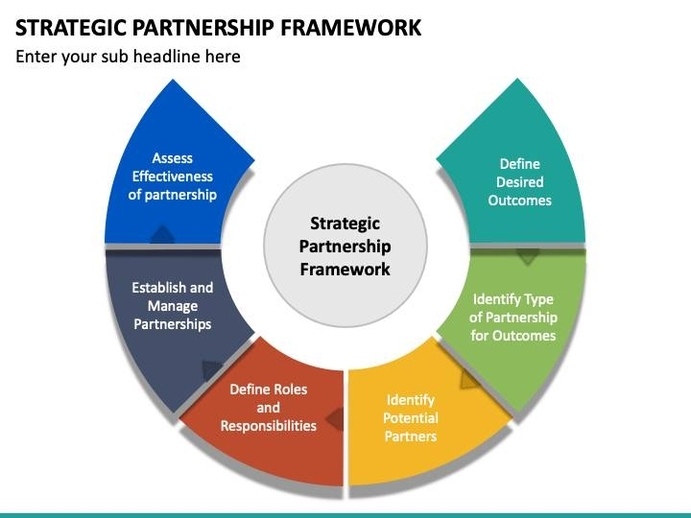
Strategic Partnership Framework: A strategic partnership framework provides a structured approach to forming and managing partnerships. It includes defining partnership goals, identifying potential partners, establishing governance structures, developing joint initiatives, and measuring partnership outcomes. This framework ensures that partnerships are strategic, collaborative, and value-driven.

Scrum methodology for digital product development

Scrum methodology for digital product development

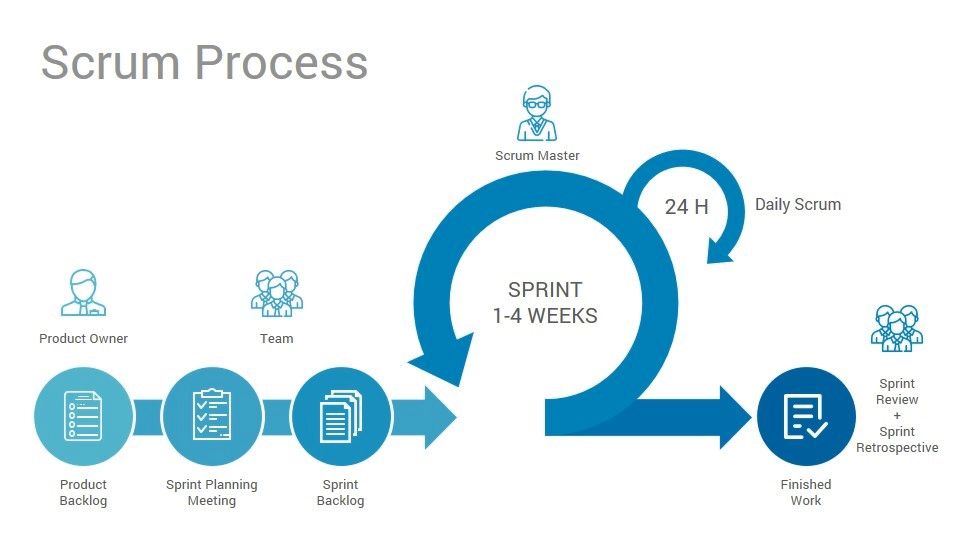
Scrum methodology for digital product development: Scrum methodology is widely used in digital product development to manage complex projects with flexibility and speed. It divides work into sprints, with regular reviews and feedback from stakeholders to ensure alignment with customer needs. Scrum promotes collaboration, adaptability, and continuous improvement, allowing teams to deliver high-quality products efficiently and on time.

Talent Management Models

Talent management models

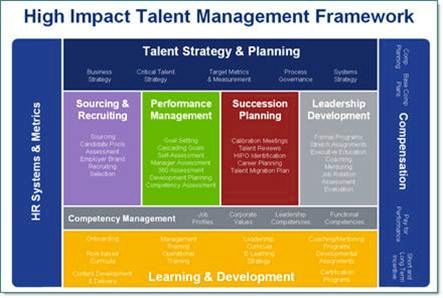
Talent Management Models: Talent management models are frameworks that organizations use to attract, develop, and retain top talent. These models include strategies for recruitment, training, career development, and succession planning. By implementing effective talent management models, businesses can build strong teams, foster employee engagement, and ensure that the right skills are in place to achieve organizational goals.

DMAIC

dmaic

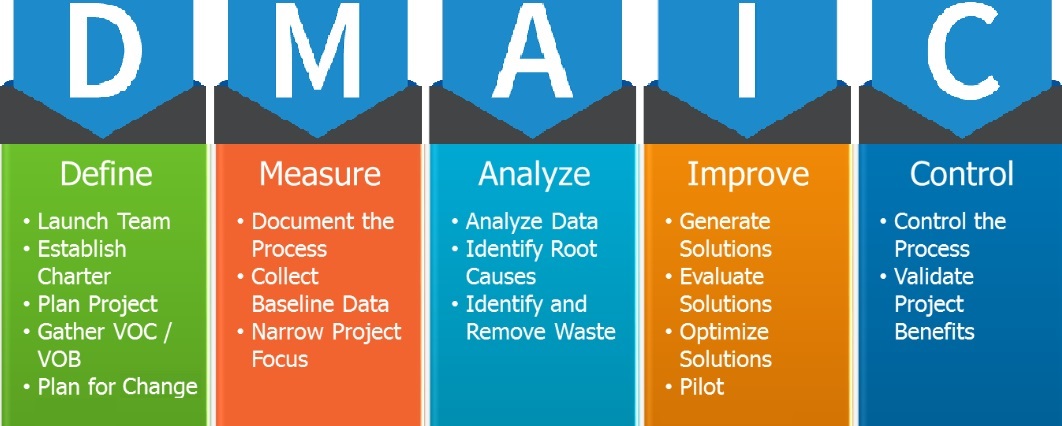
DMAIC: DMAIC is a data-driven problem-solving methodology used in Six Sigma initiatives. It stands for Define, Measure, Analyze, Improve, and Control. The process begins by defining the problem, measuring current performance, analyzing root causes, improving processes with targeted solutions, and finally controlling the improved process to sustain results. DMAIC helps organizations eliminate defects, reduce variation, and enhance process quality systematically.

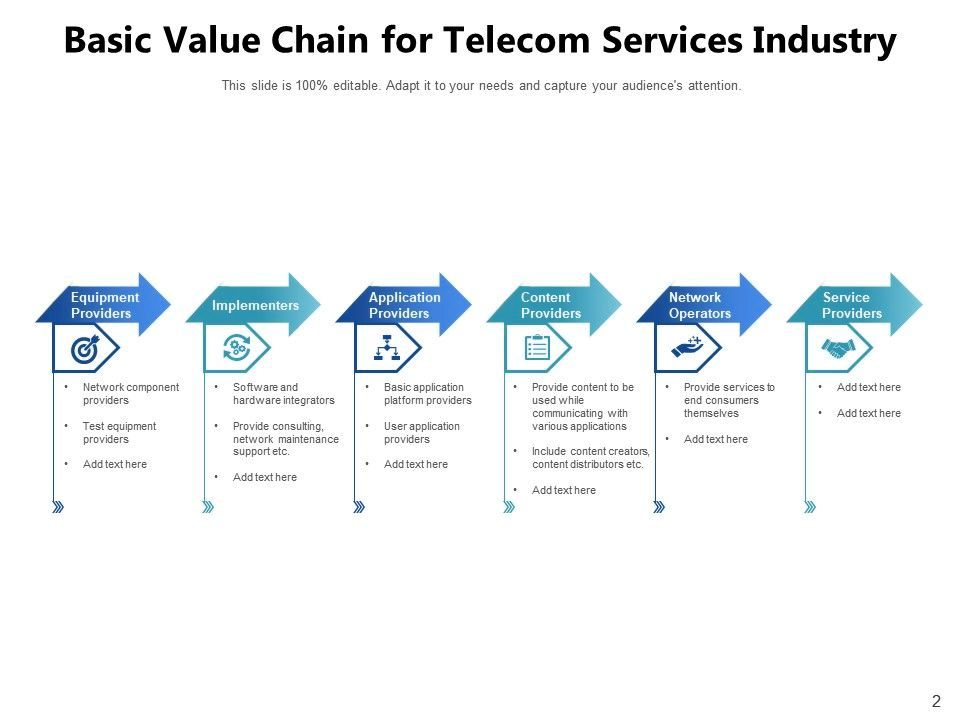
Services value chain analysis management industry framework

Services value chain analysis management industry framework

Services value chain analysis management industry framework: A services value chain analysis examines each stage in service delivery—from inbound logistics to operations and post-sale support—highlighting how each function adds value. It’s used to improve service efficiency and customer satisfaction in industries like finance or consulting.