Enterprise Architecture Framework

Enterprise Architecture Framework

Enterprise Architecture Framework: An Enterprise Architecture Framework defines how to create and use an enterprise architecture. It provides principles and practices for creating and using the architecture description of a system, structuring architects’ thinking by dividing the architecture description into domains, layers, or views.

Cloud Computing Structures

Cloud Computing Structures

Cloud Computing Structures: Cloud computing structures refer to the different models and architectures used to deliver cloud services. These include public, private, and hybrid clouds, as well as various service models such as Infrastructure-as-a-Service (IaaS), Platform-as-a-Service (PaaS), and Software-as-a-Service (SaaS). Each structure offers different levels of control, flexibility, and cost-efficiency, allowing organizations to choose the best fit for their needs.

Venn diagram leadership management

Venn diagram leadership management

Venn diagram leadership management: A Venn diagram of leadership and management highlights the overlap and differences between the two. Leadership focuses on vision, inspiration, and change, while management emphasizes structure, processes, and execution. Together, they create balanced, effective team guidance.

Four Levels Of Ethics In Organizations

Four Levels of Ethics in Organizations

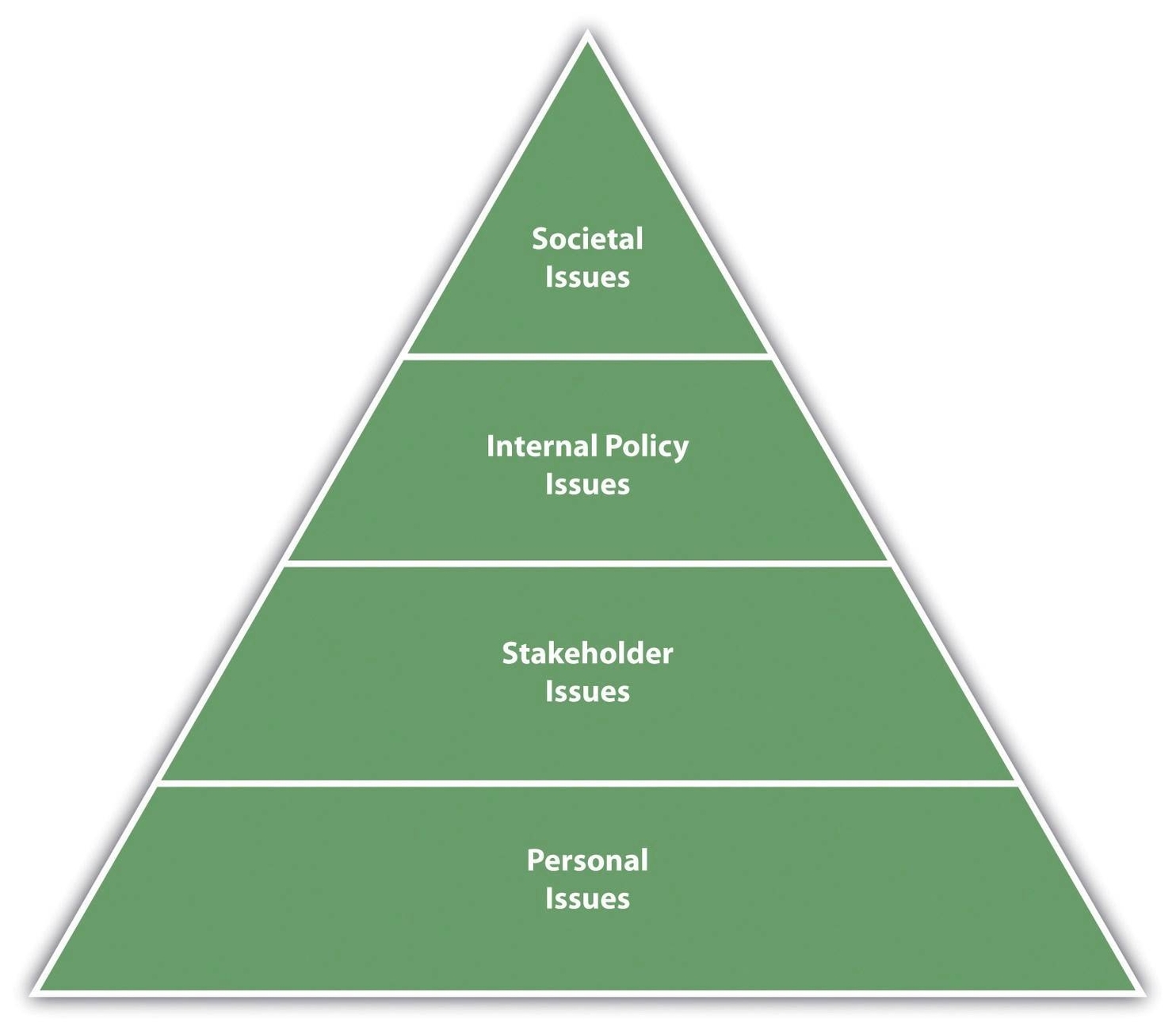
Four Levels of Ethics in Organizations: The four levels of ethics in organizations are individual ethics, interpersonal ethics, organizational ethics, and societal ethics. Individual ethics refer to personal moral principles and values. Interpersonal ethics involve ethical behavior in interactions with others. Organizational ethics encompass the ethical standards and practices within an organization. Societal ethics relate to the broader impact of an organization’s actions on society and the environment. These levels Continue reading Four Levels Of Ethics In Organizations→

Control Chart

control chart

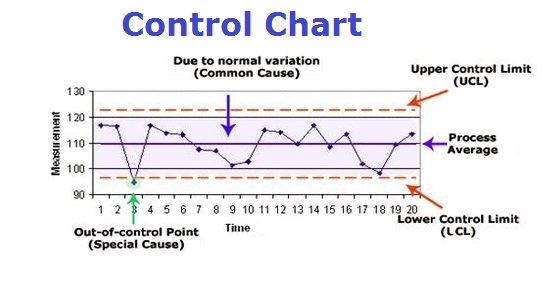
Control Chart: A control chart is a statistical tool used to monitor the stability and performance of a process over time. It plots data points on a graph with upper and lower control limits to identify variations that may indicate problems. By using control charts, organizations can ensure that processes are operating within acceptable limits and take corrective actions when necessary to maintain quality.

Porter’s Five Forces

Porters five forces

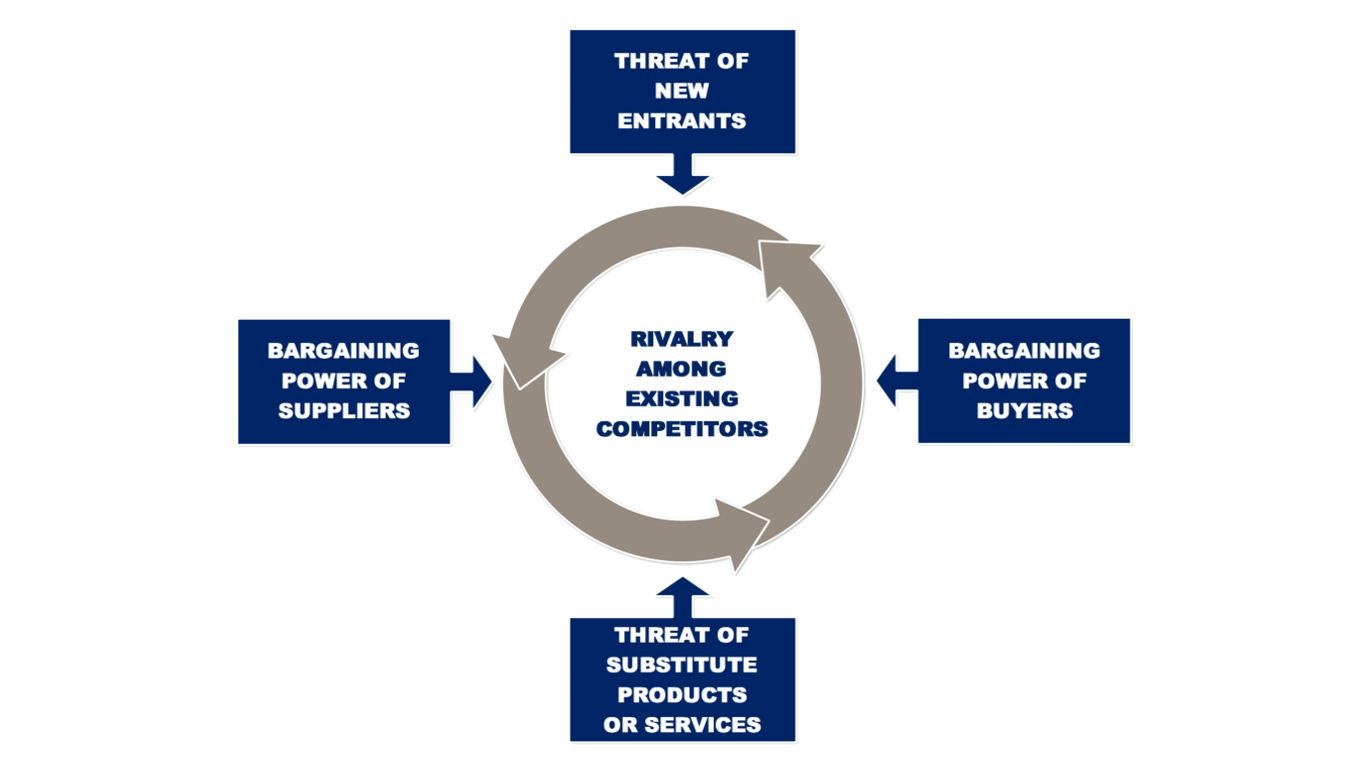
Porter’s Five Forces: Porter’s Five Forces framework analyzes the competitive dynamics within an industry by evaluating five key factors: the threat of new entrants, bargaining power of suppliers, bargaining power of buyers, threat of substitute products, and competitive rivalry. It’s a foundational tool in strategic planning and market analysis, helping businesses understand their competitive environment and make informed strategic decisions.

Business Process Reengineering Diagram

Business Process Reengineering Diagram

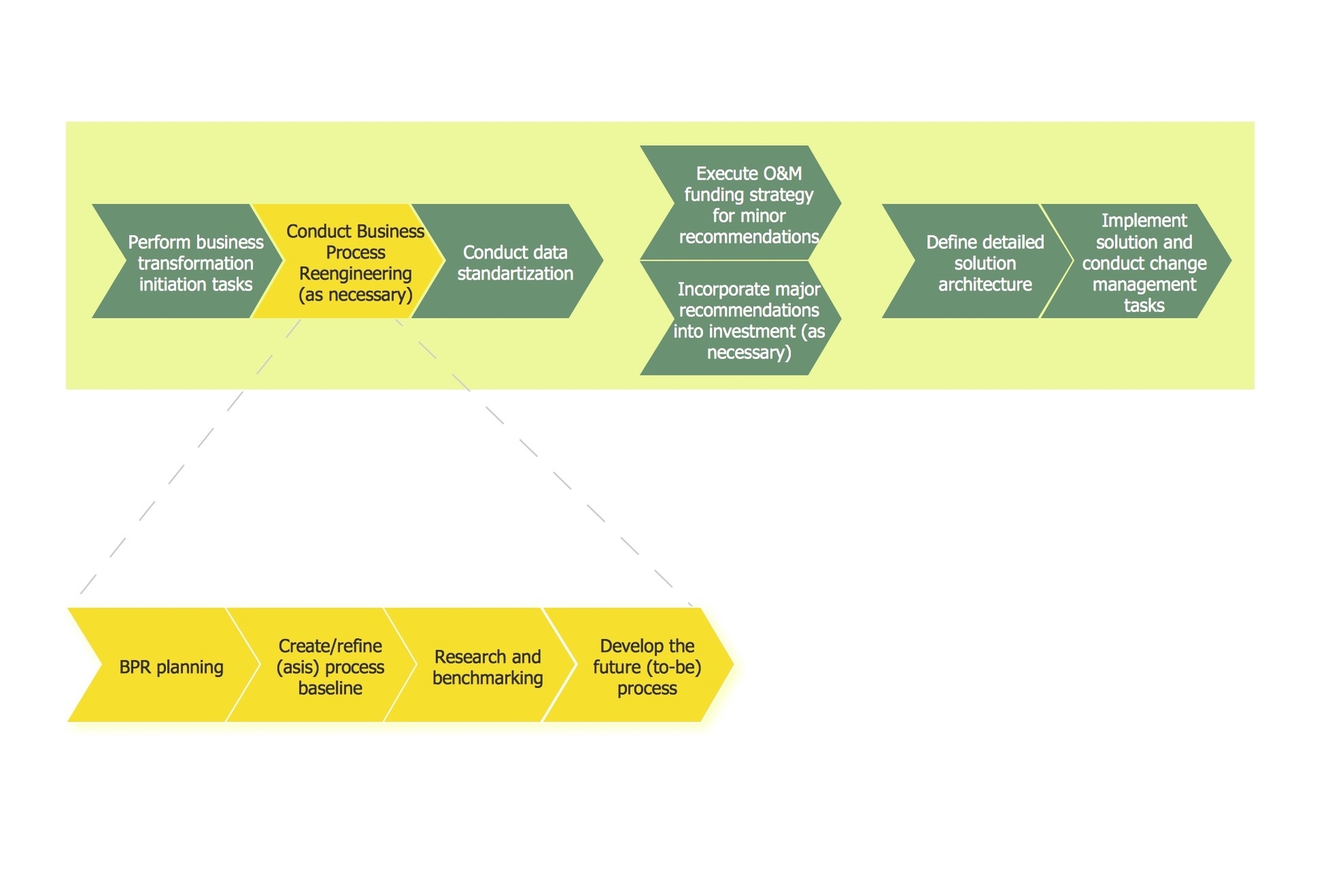
Business Process Reengineering Diagram: A Business Process Reengineering (BPR) Diagram is used to represent the process of redesigning workflows and business processes for dramatic improvements in efficiency, productivity, and quality. BPR involves analyzing existing processes, identifying inefficiencies, and implementing new, optimized processes. This diagram visually outlines the steps in reengineering, helping organizations visualize changes and their potential impact.

Business Growth Strategies

Business Growth Strategies

Business Growth Strategies: Business growth strategies are plans and actions implemented to expand a company’s market presence, increase revenue, and achieve long-term success. These strategies may include market penetration, product development, diversification, and strategic partnerships.

Cloud Computing Service Models

Cloud computing service models

Cloud Computing Service Models: Cloud computing service models define the types of services provided by cloud providers. The main models include Infrastructure as a Service (IaaS), Platform as a Service (PaaS), and Software as a Service (SaaS), each offering different levels of abstraction and control over the computing resources.

Product Management Frameworks

Product Management Frameworks

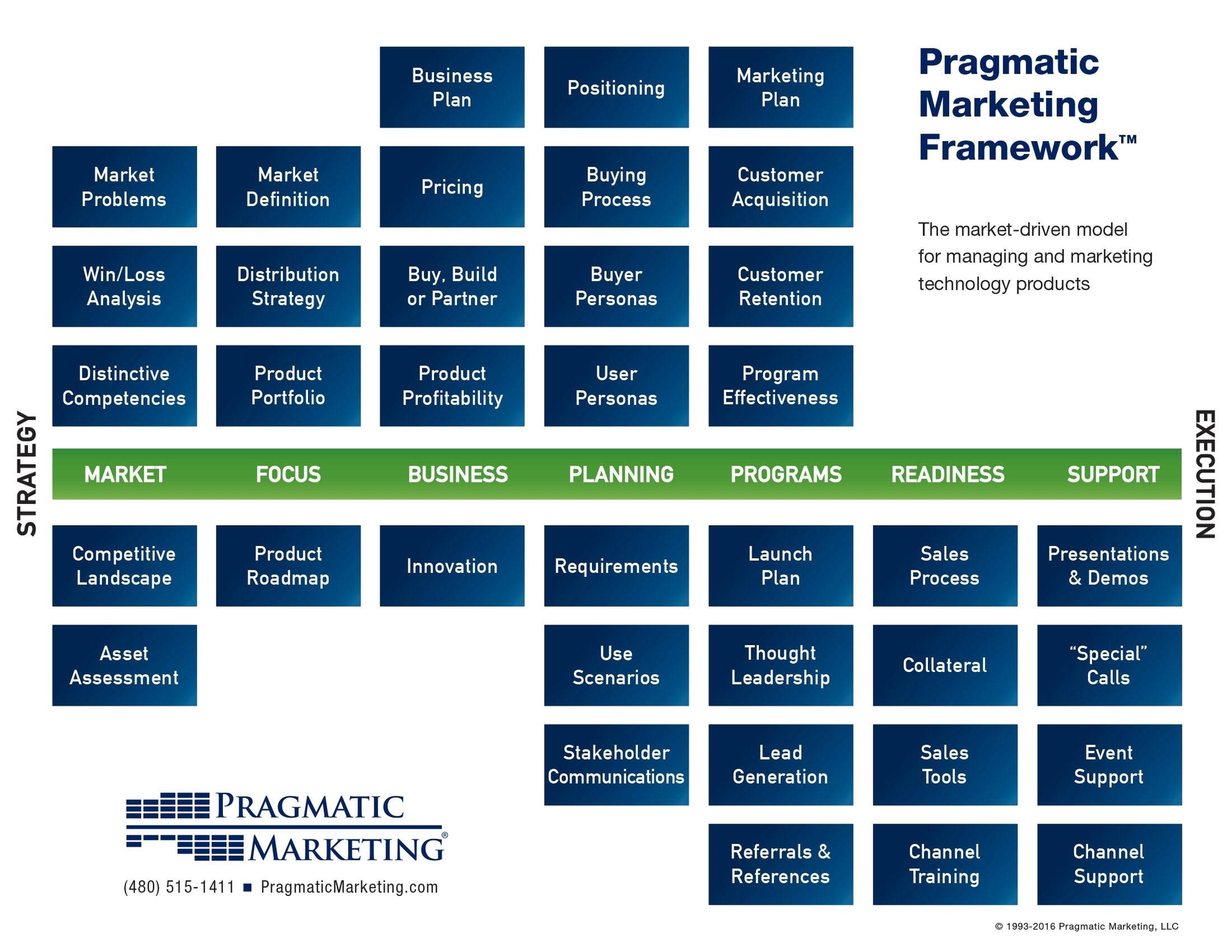
Product Management Frameworks: Product management frameworks provide structured approaches to developing and managing products. Examples include the Stage-Gate process for product development, the Lean Startup methodology for iterative testing and learning, and the Agile framework for flexible and adaptive project management.