Business Analysis Techniques

Business Analysis Techniques
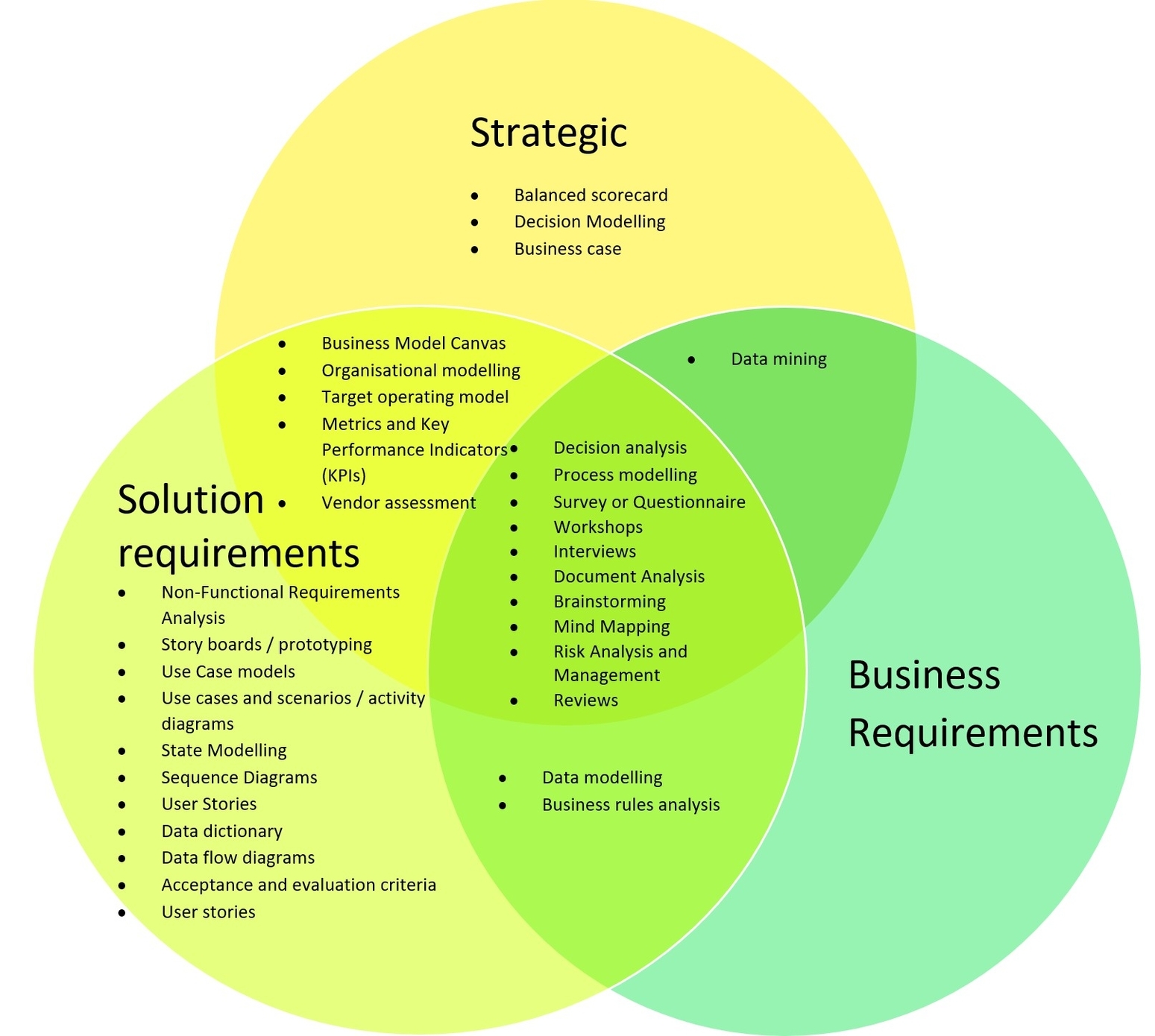
Business Analysis Techniques: Business analysis techniques are essential tools that analysts use to identify business needs and develop solutions. These techniques include requirements gathering, process modeling, SWOT analysis, and stakeholder analysis. By using these techniques, business analysts can gain insights into business challenges, define clear objectives, and propose solutions that improve business performance and drive strategic success.
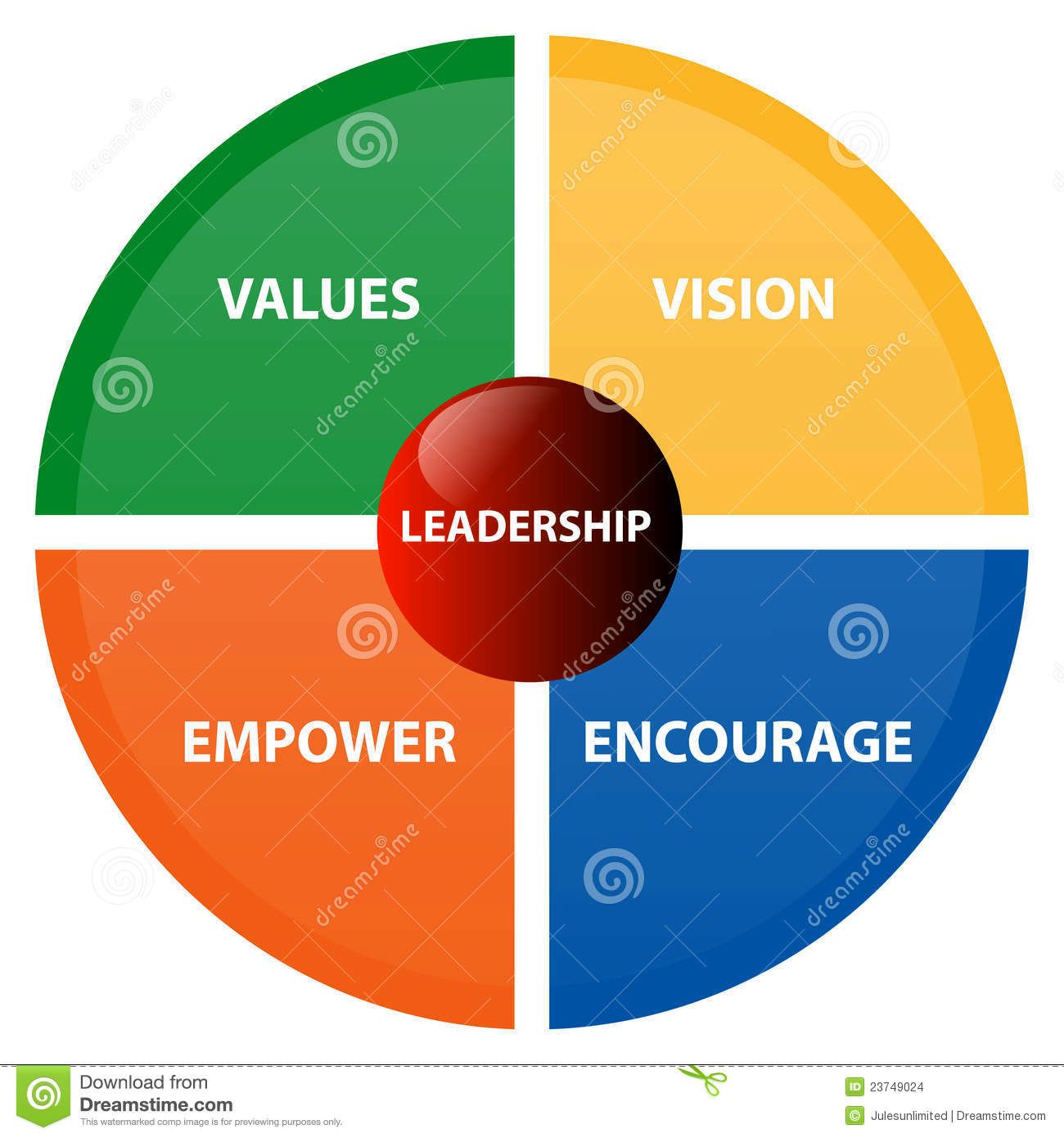
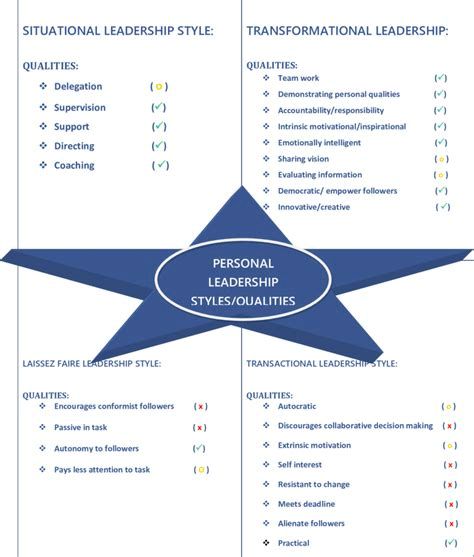
Leadership business diagram stock

Leadership business diagram stock

Leadership business diagram stock: A Leadership Business Diagram Stock provides a collection of visual diagrams that depict various leadership styles, structures, and processes within a business context. These diagrams can help organizations understand different leadership approaches, identify areas for development, and improve leadership effectiveness across teams.

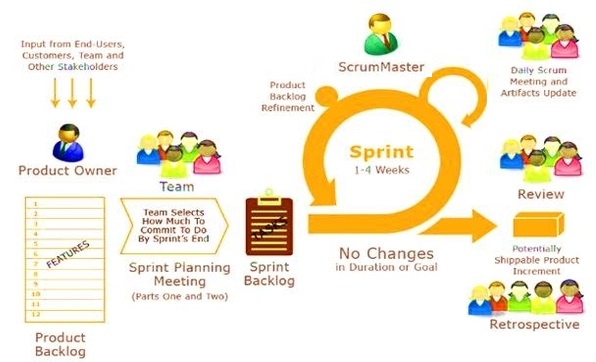
Agile

agile

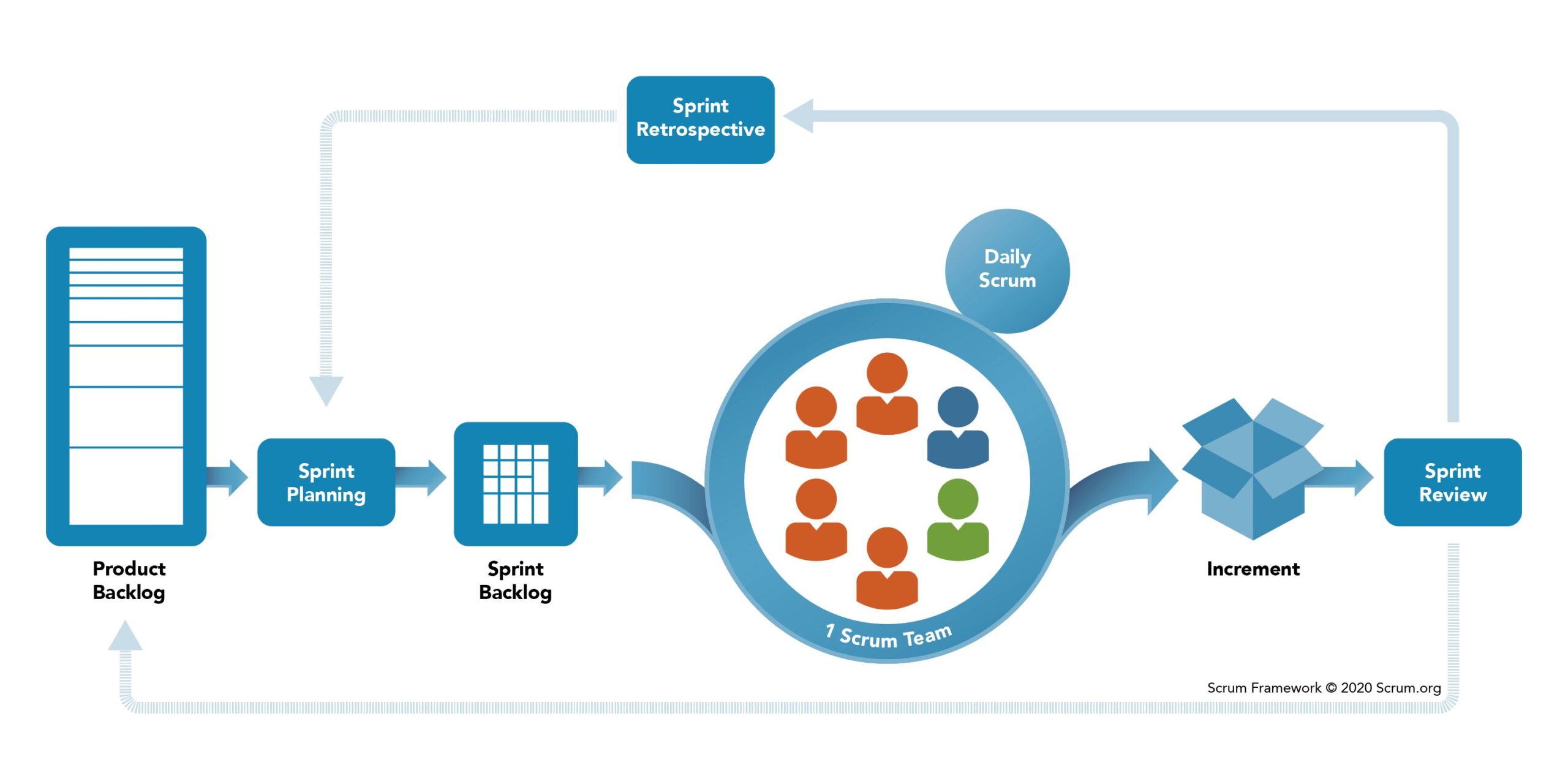
Agile: Agile is more than a methodology—it’s a mindset focused on collaboration, flexibility, and rapid delivery. This diagram highlights the core values and principles of Agile as outlined in the Agile Manifesto, and it includes various practices such as daily stand-ups, user stories, and continuous integration. Agile is applicable across industries and project types, helping teams respond to change quickly while maintaining a focus on delivering customer value.

Definition Clip Art

Definition Clip Art

Definition Clip Art: These simple graphics are often used in presentations to provide visual context or break down complex definitions into easy-to-understand visuals. They help maintain audience attention and reinforce learning. Whether illustrating what “agile” means or depicting a leadership concept, clip art can make business or educational content more accessible and engaging.

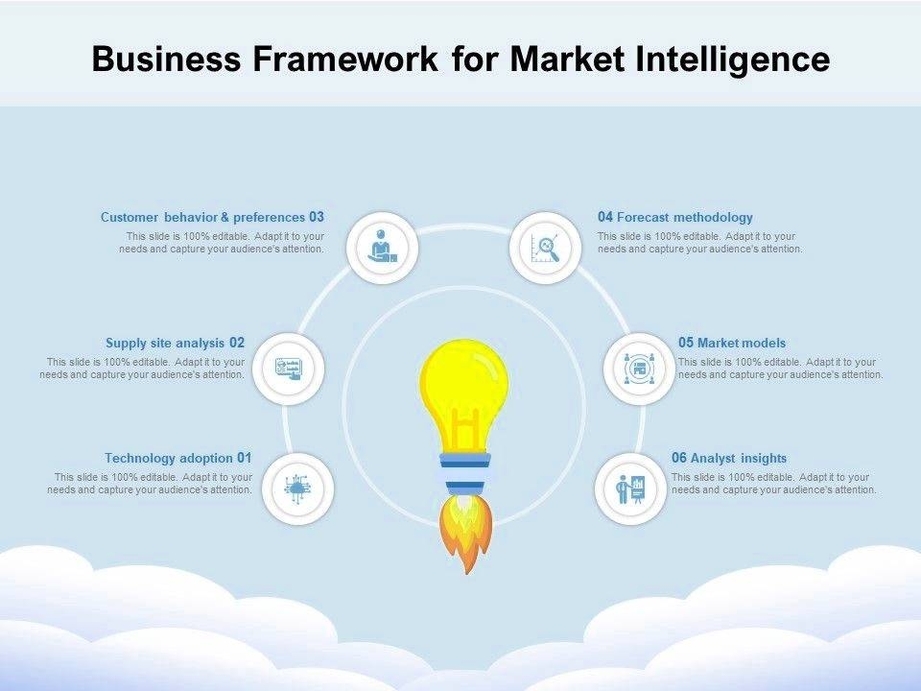
Business Framework For Market Intelligence

Business Framework For Market Intelligence

Business Framework For Market Intelligence: A business framework for market intelligence involves collecting, analyzing, and interpreting data to inform strategic decisions. Key components include data integration, data warehousing, data analysis, and reporting. This framework helps organizations align their data strategy with business objectives and deliver actionable insights to stakeholders.

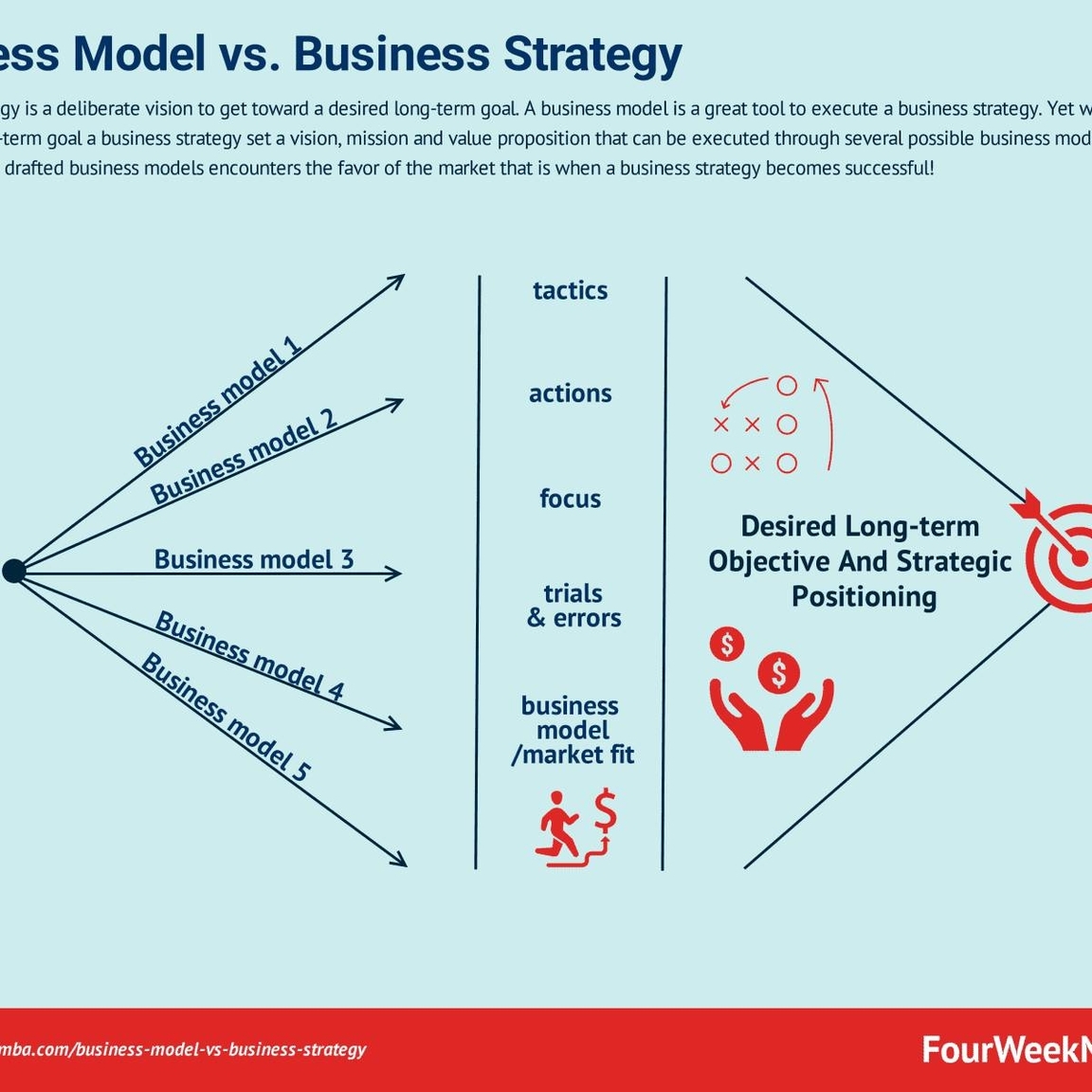
Business Model Vs Business Strategy

Business Model vs Business Strategy

Business Model vs Business Strategy: A business model refers to the framework that outlines how a company creates, delivers, and captures value. It encompasses the overall structure, revenue streams, and cost structure of a business. On the other hand, a strategy refers to the plan of action that a company adopts to achieve its long-term goals and objectives.