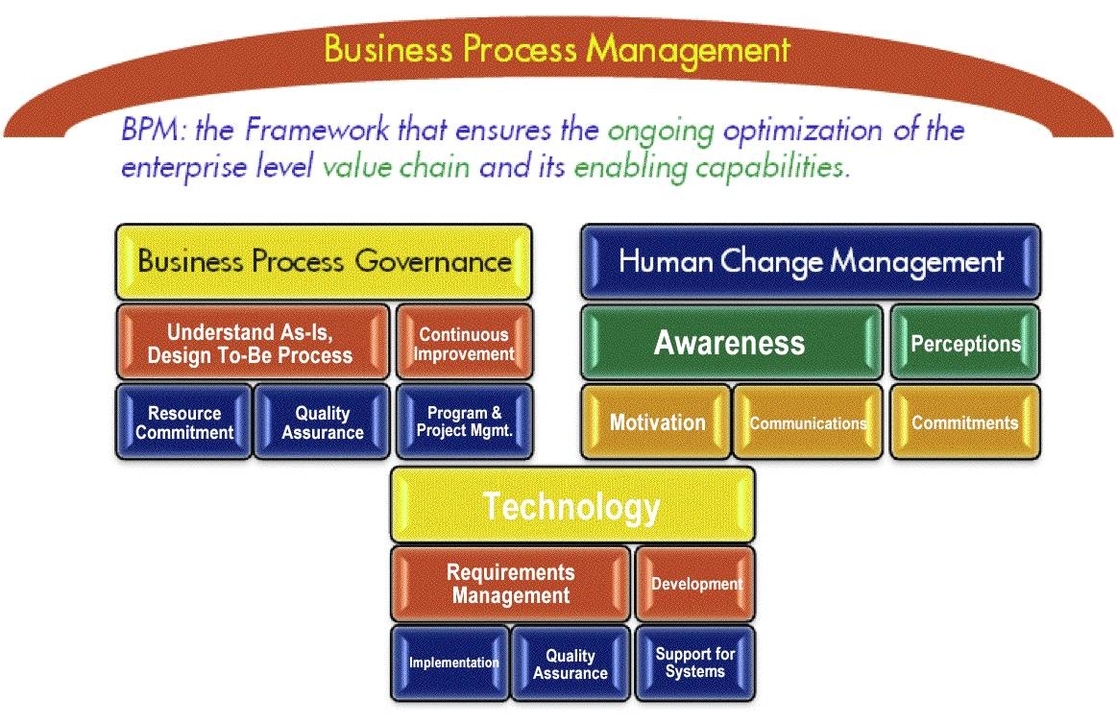
How to Manage the People Side of Business

How to manage the people side of business

How to Manage the People Side of Business: Managing the people side of business involves effective communication, empathy, conflict resolution, and leadership. It includes talent development, performance management, and fostering a healthy company culture. Prioritizing people helps increase engagement, productivity, and retention, ultimately driving business success.

Project management scrum methodology

Project management scrum methodology

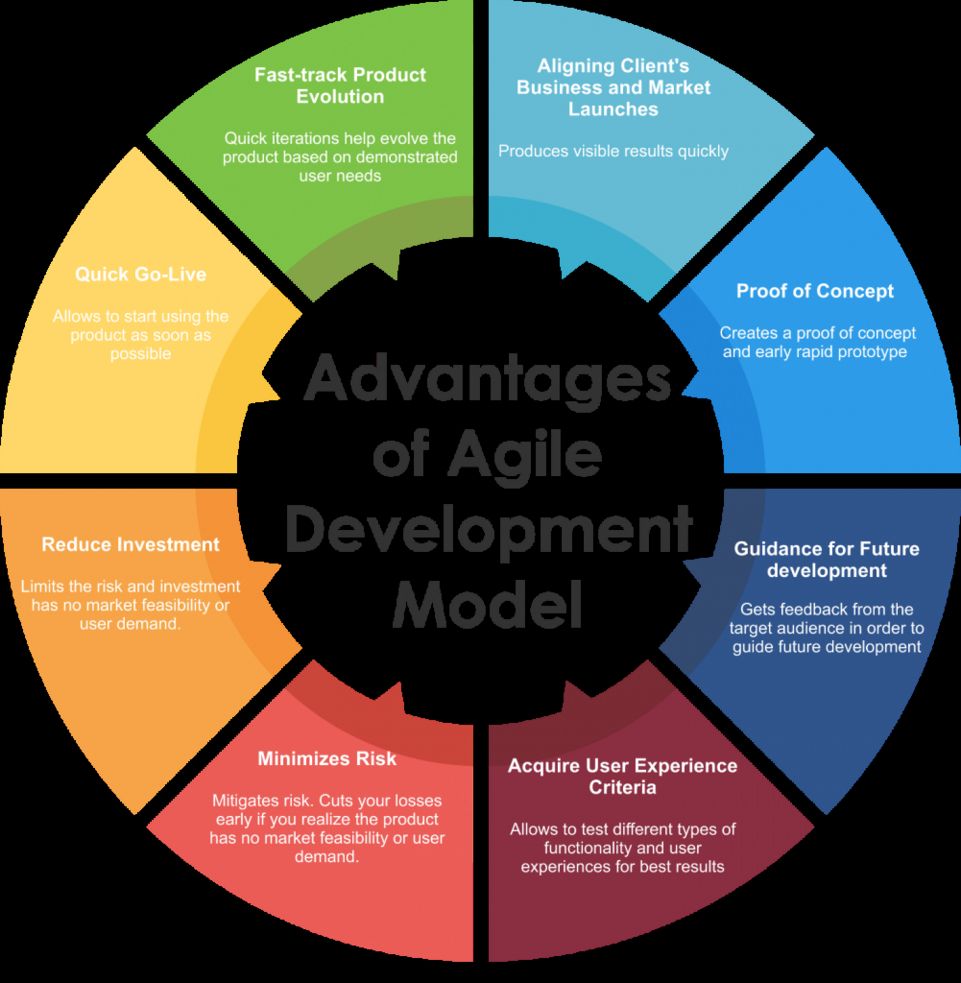
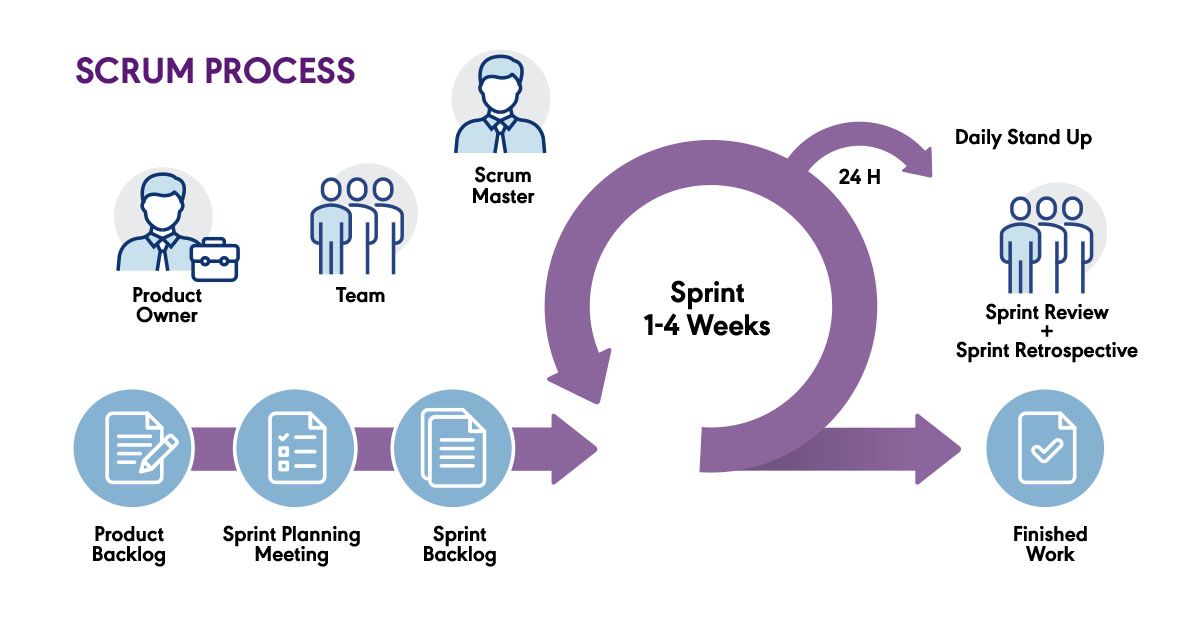
Project management scrum methodology: The Scrum methodology is an Agile framework for managing and executing projects, particularly in software development. It involves breaking down the project into smaller, manageable parts called sprints, with regular feedback loops and iterative progress. Scrum encourages collaboration, flexibility, and transparency, enabling teams to quickly adapt to changes and continuously deliver value to the customer.

Strategic Planning Models Infographic

strategic planning models infographic

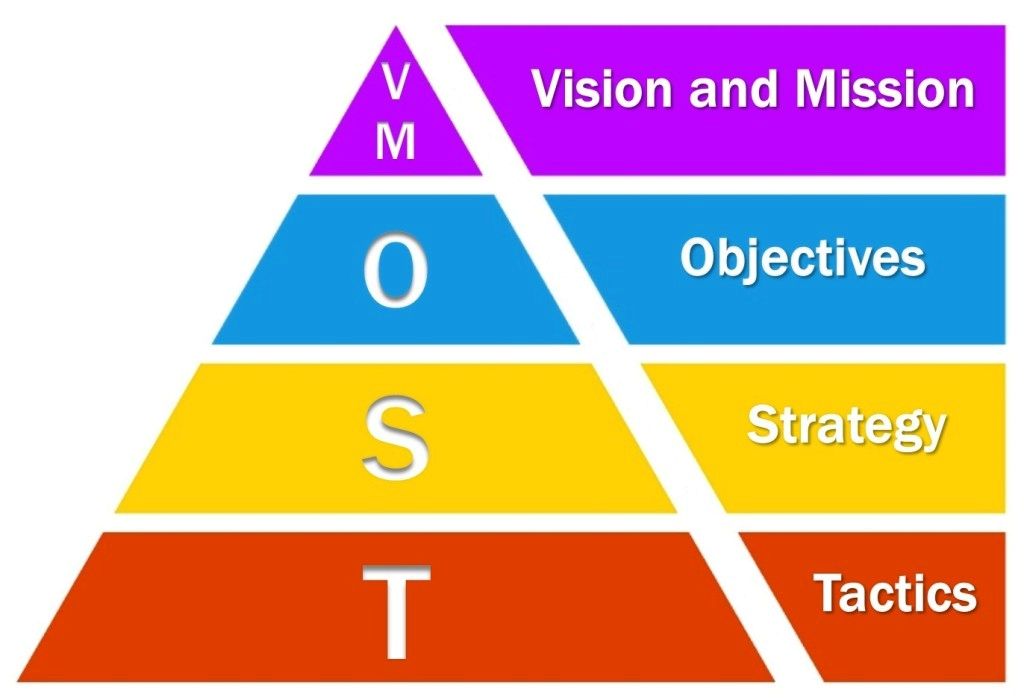
Strategic Planning Models Infographic: Strategic planning models provide frameworks for setting organizational goals and developing plans to achieve them. Common models include SWOT analysis, PEST analysis, Balanced Scorecard, and Porter’s Five Forces. An infographic can visually represent these models, making it easier to understand and apply them in strategic planning.

The Core Components of Leadership

The core components of leadership

The Core Components of Leadership: The core components of leadership encompass key skills and qualities that help individuals guide teams and organizations toward success. These components include vision, communication, decision-making, emotional intelligence, and integrity. Effective leaders inspire and motivate their teams, foster a positive organizational culture, and make strategic decisions that align with the company’s goals.

Model Governance Framework

Model Governance Framework

Model Governance Framework: Model governance refers to the framework for overseeing the development, deployment, validation, and usage of models within an organization. It includes policies for access, testing, version control, and monitoring for accuracy and bias, ensuring compliance with regulations and mitigating risks.