Functions of Product Management in the Agile Enterprise
Functions of product management in the agile enterprise

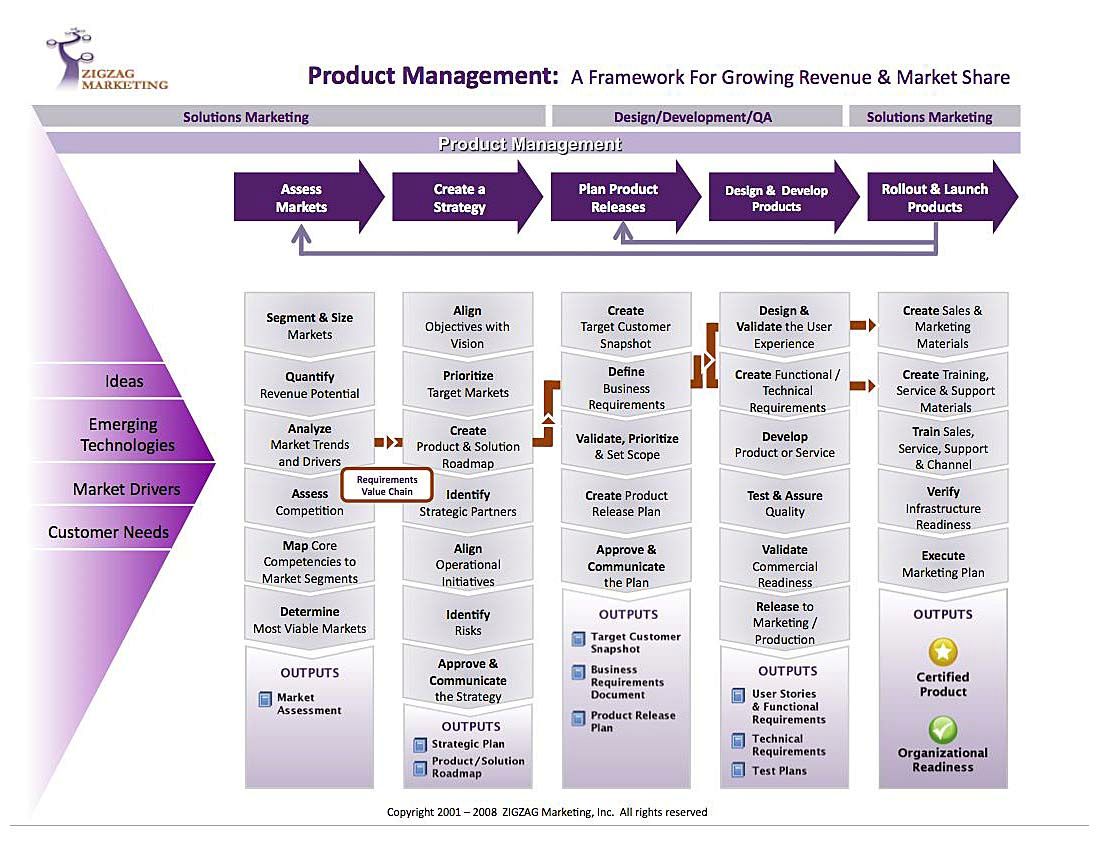
Functions of Product Management in the Agile Enterprise: In an Agile enterprise, product management plays a critical role in bridging the gap between customer needs, business objectives, and technical execution. Product managers are responsible for defining the product roadmap, prioritizing features, and working closely with cross-functional teams. Their role is essential in ensuring that the product development process aligns with Agile principles of flexibility, collaboration, and customer feedback.
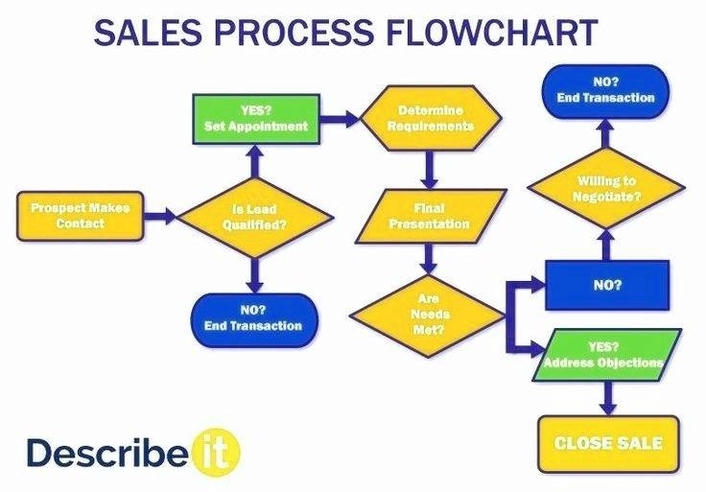
Sales Flowchart Process

sales flowchart process

Sales Flowchart Process: A sales flowchart process visually represents the steps involved in the sales cycle, from lead generation to closing the deal. It typically includes stages such as prospecting, qualifying leads, presenting, handling objections, and finalizing the sale. This process helps sales teams streamline their efforts and improve efficiency.

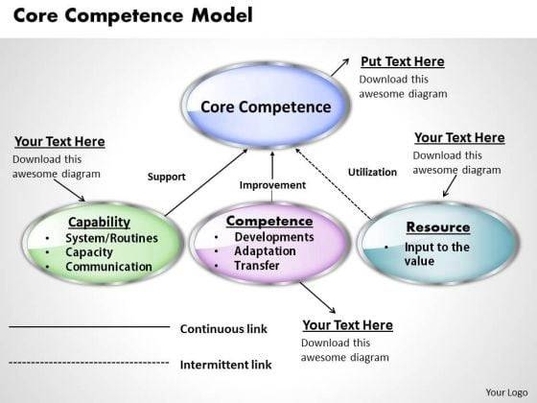
Core Competence Business Model Powerpoint Presentation

Core Competence Business Model PowerPoint Presentation

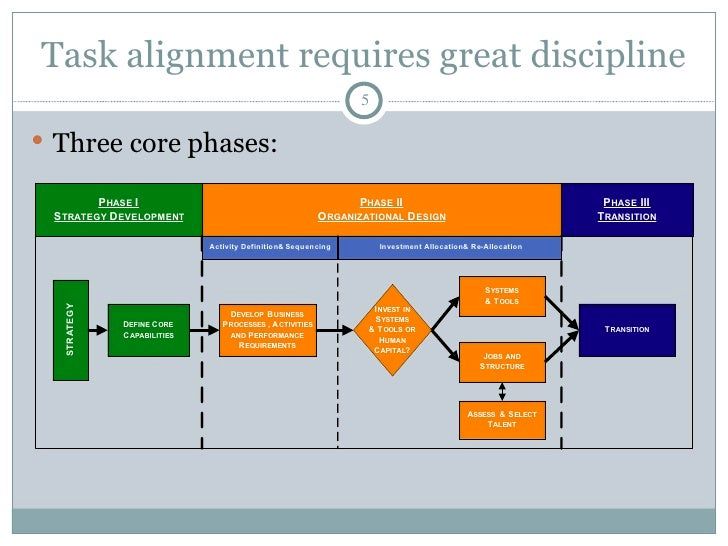
Core Competence Business Model PowerPoint Presentation: A core competence business model PowerPoint presentation highlights a company’s unique strengths and capabilities that provide a competitive advantage. It includes key competencies, strategic initiatives, and how these elements drive business success.

Cybersecurity

Cybersecurity a governance framework for mobile money providers

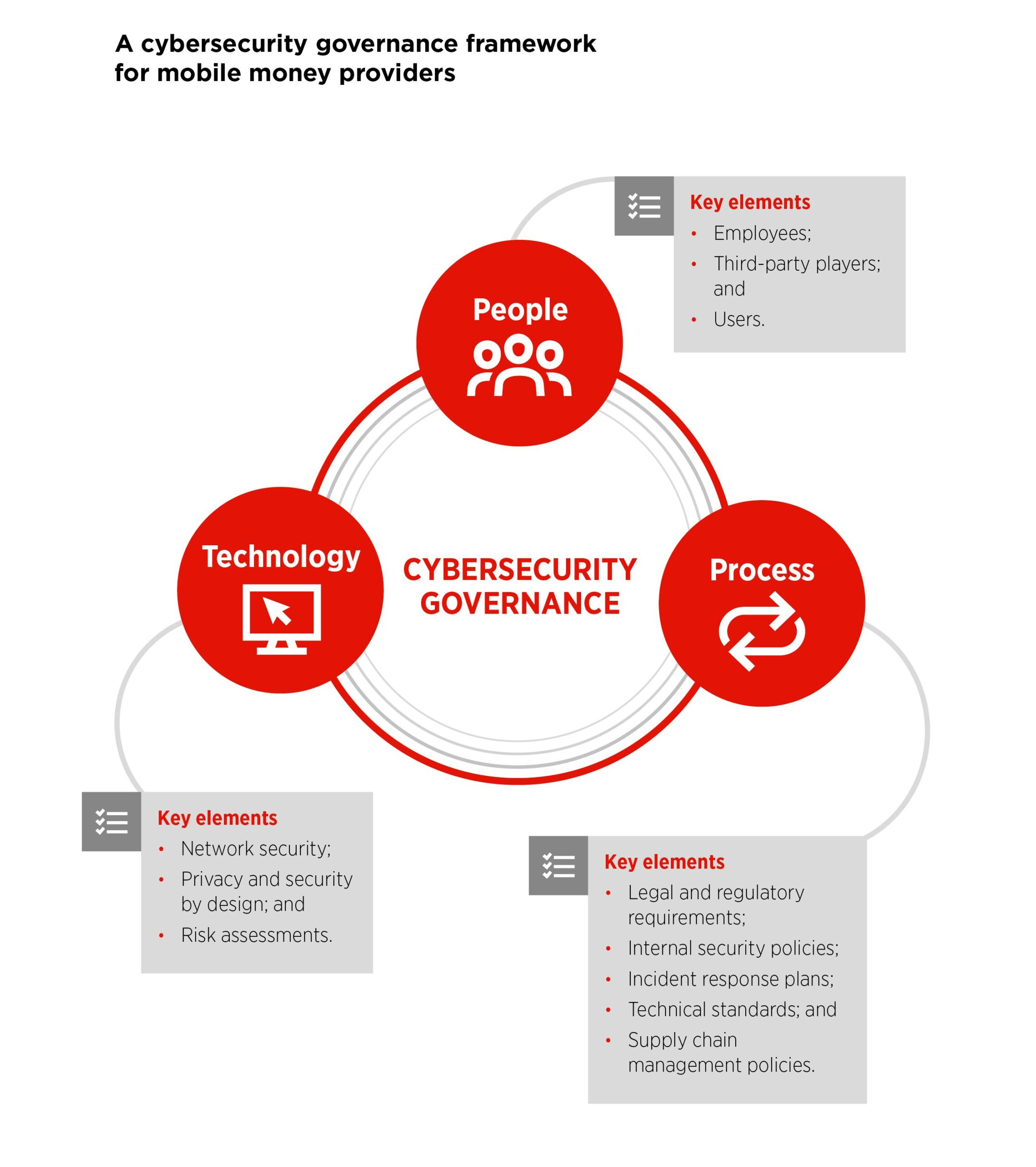
Cybersecurity: A Governance Framework for Mobile Money Providers: Cybersecurity governance for mobile money providers involves creating a structured approach to managing security risks related to digital financial services. The framework includes setting policies, standards, and controls to ensure data privacy, secure transactions, and regulatory compliance. It aims to protect users from fraud and ensure the integrity of mobile money systems.

Cloud Computing Services

Cloud Computing Services

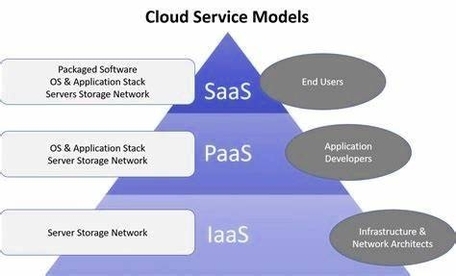
Cloud Computing Services: Cloud computing services provide on-demand access to computing resources such as servers, storage, databases, networking, software, and analytics over the internet. These services offer flexibility, scalability, and cost-effectiveness compared to traditional on-premises infrastructure. Common models of cloud services include Infrastructure as a Service (IaaS), Platform as a Service (PaaS), Software as a Service (SaaS), and serverless computing.